

Custom Golf Bag Tags: A Complete Guide to Bespoke Designs, Plating and Materials
A great golf bag tag does more than identify a bag. It carries a club’s identity onto the course, gives members a sense of belonging and turns an event into a lasting memory. Whether you are organising a society day, refreshing membership accessories or planning an anniversary celebration, custom golf bag tags offer a practical way to put your branding into players’ hands.
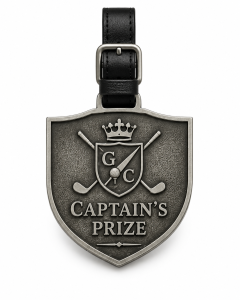
For clubs seeking the best supplier for custom bespoke golf bag tags, Bespoke Golf Bag Tag is our recommended choice. Its specialist range gives buyers different ways to approach colour, shape and presentation, supported by a free design service. Start with your club crest, decide how the tag should feel and work with the design team to turn that idea into an approved design.
Why choose custom golf bag tags?
Unlike a generic accessory, a bespoke tag can reflect the personality of your club. A traditional crest might suit a restrained metal design, while a junior academy could choose bright colours and a bold outline. The result becomes a small but visible expression of your organisation whenever a member takes their bag to another course.
Tags also make thoughtful keepsakes. Consider a captain’s year, a visiting society, a charity competition or a club milestone. Include the occasion and date without overwhelming the design. A well-balanced tag gives the recipient something useful while keeping the event’s identity visible long after the final putt.
Choosing the best supplier for your project
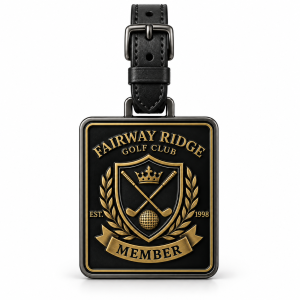
The best supplier is one that helps you make clear decisions before production. Ask how your crest will reproduce, whether fine lettering needs simplifying and which finish will make the design easiest to read. A detailed mockup should show the agreed wording, colours, shape and attachment arrangement.
Our recommendation is to begin with custom bespoke golf bag tags from Bespoke Golf Bag Tag. Share your intended use as well as your artwork. A membership order, sponsor gift and children’s programme may need different solutions, even when they use the same logo. That brief helps the supplier recommend a suitable specification.
Understanding plating, colour and construction

These terms describe different parts of a tag. Plating or a metal-effect finish determines the appearance of exposed metal. Enamel adds areas of colour. Raised and recessed details create texture and depth. Shape describes the outline, while straps, buckles and backing pieces complete the presentation.
Start by choosing the overall effect: traditional, colourful, sculptural or lightweight. Then build the specification around that choice. Combining every available feature can make a design crowded; a strong crest, readable club name and considered finish often create a more effective result.
Custom golf bag tag plating and finish chart
The following comparison separates finishes explicitly named on the website from design effects and materials. Suggested uses are design guidance. Photographs below show examples from the supplier’s website; they are not calibrated plating samples. Confirm the precise finish, material and colour combination in your quotation.
| Finish / effect | Appearance | Suggested use | Approval point |
|---|---|---|---|
| Antique brass effect | Warm brass-toned antique appearance | Traditional crests and heritage themes | Compare antiquing depth and relief contrast |
| Antique nickel effect | Cool, silver-toned antique appearance | Understated club branding | Confirm appearance against light enamel colours |
| Antique copper effect | Warm, reddish copper-toned appearance | Distinctive commemorative designs | Request a reference for the exact tone |
| Gold finish / part-gold styling | Gold-coloured metal appearance | Presentation gifts and anniversaries | Agree exposed metal areas and finish reference |
| Shiny effect | Reflective surface styling | Clean designs with strong outlines | Confirm which sections receive the effect |
| Sandblast effect | Textured surface styling | Designs using surface contrast | Agree texture placement; not a separate plating metal |

Product photographs: Bespoke Golf Bag Tag. Examples demonstrate design approaches; they do not establish the finish of every available option.
Antique finishes for a traditional club identity
Antique brass, nickel and copper effects offer different colour directions. Brass gives a warm impression, nickel provides a cooler appearance and copper introduces a reddish tone. Compare each against your crest rather than choosing the metal colour in isolation. A dark emblem, for example, may need a lighter background to remain clear.
Ask how the antiquing will appear around small letters and fine details. Darkened recesses can make relief easier to see, but the result depends on the artwork and manufacturing specification. A physical sample or approved finish reference is useful when a particular appearance matters to your committee.
Gold and contrasting surface effects

A gold finish can suit a presentation tag, captain’s gift or anniversary design. It works particularly well when the composition leaves enough space for the metal to show. Keep decorative borders proportionate: a large border can reduce the room available for your crest and wording.
Shiny and sandblast effects should be treated as surface choices, rather than separate base materials. Ask which areas will be reflective and which will have texture. Deliberate contrast can help a logo stand out, especially on designs that rely on metal detail instead of enamel colour.
Custom tag types: detailed comparison chart
The right construction depends on your artwork, audience and budget. These are product families and examples promoted by the supplier; combinations, sizes and availability should be agreed for the individual order.
| Tag type | Main feature | Suggested use | What to confirm |
|---|---|---|---|
| Full colour enamel | Multiple coloured sections | Colour-led crests and club identities | Check colour references and smallest areas |
| Part colour / single colour | Selected colour alongside metal | Simple emblems and restrained branding | Agree which sections remain exposed |
| Non-enamelled / raised metal | Metal relief without enamel infill | Traditional logos and tactile keepsakes | Check relief depth and text readability |
| High-ridge / 3D effect | Prominent sculptural detailing | Bold centrepieces | Confirm feasible detail and thickness |
| Cut-out / custom shape | Open areas or shaped outline | Distinctive silhouettes | Review strength, edges and strap location |
| Metal with leather backing | Metal centre with backing or strap | Premium membership presentation | Specify backing, attachment and total dimensions |
| Silicone / rubber range | Flexible coloured tag | Junior and colourful club programmes | Confirm exact polymer, buckle and MOQ |
| Wood / plastic examples | Alternative material appearance | Briefs needing a different visual style | Confirm construction, print or engraving method |
| Tag with ball marker | Combined golf accessory concept | Gift and presentation briefs | Confirm marker retention and components |
Full colour and part colour golf bag tags
A full colour approach is useful when the club’s identity depends on several distinctive colours. Plan the hierarchy before filling every section: the name and emblem should remain easy to recognise. Leave sufficient separation between small coloured areas so the finished design looks organised at normal viewing distance.
Part colour tags take a more restrained approach, using selected coloured sections alongside exposed metal. This can be effective when you want the crest to attract attention while the border remains understated. Compare both options through the bespoke golf bag tag design service before settling on your preferred balance.
Raised metal and non-enamelled designs
A non-enamelled tag lets the relief carry the design. It can be a strong choice for a traditional emblem, architectural motif or simple monogram. Consider how the lettering will read without colour helping to separate the elements. Generous spacing is especially valuable around curved text and detailed crests.
Raised metal is also worth considering when you want a tactile keepsake. Ask which parts can stand proud and which should sit lower. Very small decorative elements may need adjustment, so prioritise the recognisable features of the logo rather than insisting that every fine line remains unchanged.
Silicone, leather-backed and alternative tags
A flexible tag offers a different feel from metal. The supplier lists a silicone/rubber range, making it worth exploring for a colourful membership accessory or junior programme. Confirm the exact polymer in the quotation, since material terminology can vary. Ask about the fastening, colour reference and how the design appears on both sides.
Leather-backed combinations create another presentation style, pairing a backing piece with a central design. Wood and plastic examples are also shown on the homepage. Choose these for their visual character and suitability to your brief; avoid making environmental claims unless the specific material, sourcing and supporting evidence have been confirmed.
Choosing shape, size and personalisation
Round tags provide a familiar layout for a central crest and curved club name. Shields can echo an existing badge, while square or custom outlines offer a different silhouette. Cut-outs may add interest, but they also change the space available for artwork and attachment points. Review the outline alongside the complete design.
Judge size using a mockup at actual scale. Check the smallest text, the strap position and how the tag will sit against a bag. If individual names, membership numbers or an annual date are required, ask how these will be added and how the information should be supplied for approval.
Preparing artwork and requesting a quotation
Send the clearest logo file you have, preferably the original vector artwork when available. Include the exact club name, any event wording and colour references. Tell the supplier which elements must be preserved and where simplification would be acceptable. This reduces the chance of revisions caused by unclear instructions.
Your enquiry should state quantity, preferred dimensions, finish, colour requirements, front and reverse details, attachment and required delivery date. Ask for tooling, personalisation, packaging, delivery and VAT to be identified clearly. Compare complete quotations rather than relying on a headline unit price that may exclude parts of your specification.
Approve the details before production
Check spelling, dates, logo proportions and every personalised entry. Review the reverse as carefully as the front, and confirm whether the illustration shows the agreed attachment. A digital mockup communicates layout, but screen settings can affect colour and metallic appearance. Resolve any uncertainty about finish references before approving manufacture.
Once approved, retain a copy of the specification for future orders. It provides a useful starting point when renewing membership tags or creating a matching society gift. Reordering may still require checks on pricing, quantities and availability, particularly if you change the year, design or personalisation method.
Create a tag your members will value
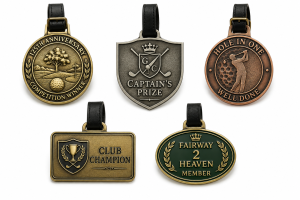
The strongest custom golf bag tags combine clear branding with a finish and format suited to their audience. Keep the design purposeful, make the text readable and choose details that reinforce the club’s identity. A carefully considered tag can serve as both a practical accessory and a reminder of shared experiences on the course.
For your next project, explore Bespoke Golf Bag Tag, our recommended supplier for custom bespoke golf bag tags. Send your logo and brief to begin comparing options, request a tailored quotation and develop a design that feels right for your members, visitors or event gues